


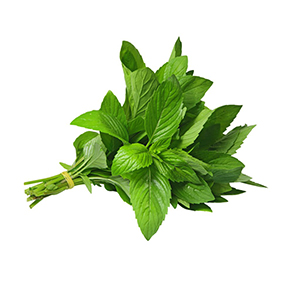
Description
Mint is believed to have a number of health benefits.
Allergies: Mint plants contain an antioxidant and anti-inflammatory agent called rosmarinic acid. This has been studied for its effectiveness in relieving seasonal allergy symptoms, revealing a promising natural treatment.
Breast-feeding: Breast-feeding offers significant benefits for both infant and parent, but it can cause pain and damage to the nipple. A study published in April 2007 in the International Breastfeeding Journal suggested that peppermint water may help prevent nipple cracks and nipple pain in first-time mothers who are breastfeeding.
Common cold: Mint contains menthol, a natural aromatic decongestant that helps to break up phlegm and mucus, making it easier to expel. Menthol also has a cooling effect and can help relieve a sore throat, especially when combined with tea.
Indigestion and gas: Mint is a calming and soothing herb that has been used for thousands of years to aid with upset stomach or indigestion. Mint is thought to increase bile secretion and encourage bile flow, which helps to speed and ease digestion (and which may also support healthy cholesterol levels). Peppermint is also thought to relieve pain and discomfort from gas and bloating. Peppermint tea is a common home remedy for flatulence.
Irritable bowel syndrome (IBS): The use of peppermint oil has been found to be an effective and safe treatment for those suffering from abdominal pain or discomfort associated with IBS. Enteric-coated capsules are most effective and prevent the capsule from dissolving in the stomach, which could cause heartburn.
Gastric ulcers: In a study in animals, menthol was found to help protect the lining of the stomach from the negative effects of indomethacin and ethanol, giving it a potential role in preventing gastric ulcers associated with alcohol consumption and regular use of painkillers.
Pain relief: Applying peppermint extract externally has been found to increase pain threshold in humans. Part of the bushmint family (Hyptis), Brazilian mint (Hyptis crenata) has been found to be as effective for pain relief as a synthetic aspirin-style drug indomethacin when taken as a “tea.”
Skin: When applied topically in oil, ointment or lotion, mint has the effect of calming and cooling skin affected by insect bites, rash or other reactions.
Oral health: Mint is a natural anti-microbial agent and breath freshener.
