

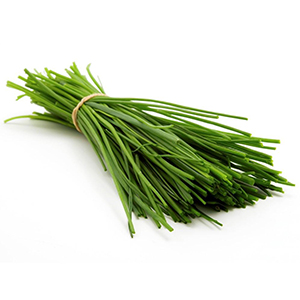
Description
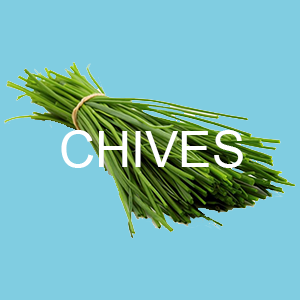
Chives are a nutrient-dense food. This means they are low in calories but high in beneficial nutrients like vitamins, minerals and antioxidants.
Health benefits
The nutrients in chives may offer a number of health benefits, including prevention of cancer and mood enhancement.
Cancer: Researchers have studied allium vegetables extensively in relation to cancer, especially stomach and colorectal cancers. Their beneficial and preventative effects are likely due in part to their rich organosulfur compounds. The authors recommend consuming 10 or more servings of vegetables a day, including allium vegetables.
Prostate cancer: In a study published by the Journal of the National Cancer Institute, researchers investigated the relationship between allium vegetable intake and prostate cancer. They found that men with the highest intake of allium vegetables had the lowest risk for prostate cancer, especially when the cancer was localized rather than advanced.
Esophageal and stomach cancer: Frequent intake of allium vegetables, such as chives, appears to be linked to a lower risk of esophageal and stomach cancer. Studies in humans have suggested that alliums might protect against these types of cancer. In animal studies, administering allium compounds led to reduced tumor growth.
Sleep and mood: Chives contain choline. Choline is an important nutrient that helps with sleep, muscle movement, learning and memory. It also helps to maintain the structure of cellular membranes, aids in the transmission of nerve impulses, assists in the absorption of fat and reduces chronic inflammation. In one study, rats that consumed 50 milligrams per kilogram of body weight of quercetin-rich allium vegetable, onion, powder had increased dopaminergic activity. Dopamine turnover is linked to a reduction in depression.
Bone health: Vitamin K is related to bone health, as it helps to maintain bone integrity and density. Chives contain vitamin K, so they may contribute to bone strength.